
 29 April 2026
 Share
Share
1
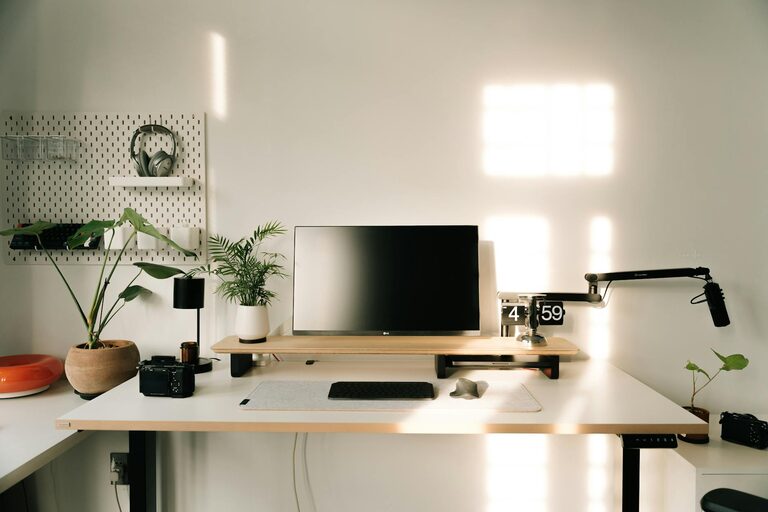
Creating a home workspace that supports productivity and suits your individual needs is essential, especially as more people embrace flexible working arrangements. A thoughtfully designed workspace can improve concentration, comfort, and overall work satisfaction. Whether you have a dedicated room or a small corner, these tips will guide you in setting up an environment that helps you perform at your best.
Before setting up your workspace, consider the nature of your work. Do you need multiple monitors, space for physical files, or a quiet environment for calls? Knowing your requirements will help you create a functional setup.
Select a spot in your home where distractions are minimal. Ideally, this space should have good natural light and ventilation. If possible, use a separate room to signal to others that you are working, helping to reduce interruptions.
A good-quality chair is critical. Choose one that supports your lower back and allows you to sit with your feet flat on the floor. Adjustable height and armrests can further enhance comfort.
Your desk should be at a height that allows your arms to rest comfortably while typing. If space permits, a larger desk can accommodate equipment and help you stay organised.
Alternating between sitting and standing can boost energy levels and reduce strain. Sit-stand desks or converters are an excellent investment for long hours at work.
Position your desk near a window when possible. Natural light reduces eye strain and helps regulate your internal clock, improving mood and productivity.
If natural light is limited or you work in the evenings, add a desk lamp with adjustable brightness and colour temperature. Avoid harsh overhead lights that cause glare on screens.
Use shelves, drawers, and organisers to keep your workspace tidy. Having a place for everything reduces distractions and saves time searching for items.
Tidy cables using clips, sleeves, or under-desk trays. This not only improves aesthetics but also prevents accidents or damage to equipment.
Maintain a clear desktop on your computer and use productivity tools to manage files and tasks efficiently.
Include pictures, plants, or small decorations that motivate you without causing clutter. Plants, in particular, can improve air quality and create a calming atmosphere.
Ensure your workspace is kept at a comfortable temperature. Use noise-cancelling headphones or background music if household sounds are distracting.
Set specific work start and finish times to help separate professional tasks from personal life, promoting better work-life balance.
Make sure others in your home understand your schedule and respect your workspace to minimise interruptions.
Incorporate short breaks to stretch and rest your eyes. This will help maintain focus and reduce fatigue.
Ensure your computer, internet connection, and peripherals are up to date and dependable. Frequent technical issues can disrupt productivity and increase stress.
Applications for task management, time tracking, and focus techniques (such as the Pomodoro method) can improve efficiency and help you stay organised.
Periodically assess how your workspace serves your needs. Don’t hesitate to rearrange furniture, try new setups, or add equipment as your work habits evolve.
—
By considering these tips and customizing your home workspace, you can create an environment that encourages productivity and comfort. Remember, a well-planned workspace is an investment in your work quality and wellbeing.
