 29 April 2026
 Share
Share
1

Creating a home office that balances productivity with relaxation can transform the way you work from home. When your workspace is organised, comfortable, and inviting, it encourages focus while reducing stress. Whether you have a dedicated room or a small corner in your living space, these tips will help you design a home office that supports both your efficiency and wellbeing.
Selecting the ideal spot for your home office is the first step. Look for a quiet area with minimal distractions and good natural light. If possible, pick a space away from high-traffic zones like the kitchen or living room. Natural light not only brightens your room but also improves mood and energy, making it easier to stay alert during work hours.
Your chair and desk should be both comfortable and ergonomically sound. A supportive chair with adjustable height and lumbar support helps prevent back and neck pain. The desk should be at a suitable height to maintain good posture and reduce strain on your wrists and arms. Consider sit-stand desks if you want to alternate between sitting and standing throughout the day.
Clutter can hinder concentration and increase stress. Use shelves, filing cabinets, or desk organisers to store documents, stationery, and other supplies neatly. Regularly declutter your workspace to keep it tidy. Label storage boxes or files to find things quickly, which saves time and keeps your workflow smooth.
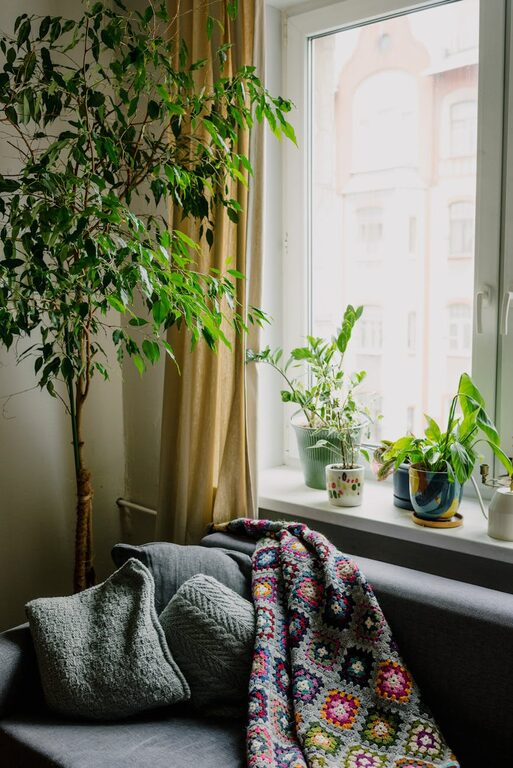
Adding personal touches makes the office more inviting and comfortable. Choose artwork, plants, or photos that inspire you without being distracting. Greenery is especially beneficial, as indoor plants can improve air quality and create a calming atmosphere. Just make sure your decorations don’t take up too much desk space.
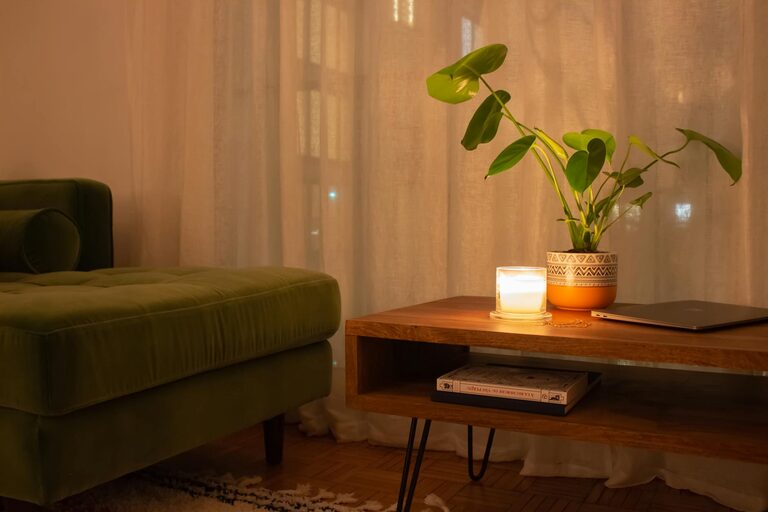
Besides natural light, ensure you have adequate artificial lighting for evenings and cloudy days. A desk lamp with adjustable brightness helps illuminate your work area without causing glare on your screen. Soft, warm lighting often feels more relaxing than harsh, cool light, so look for bulbs that create a cosy ambiance.
Noise can affect concentration, so try to create a quiet environment. Use rugs, curtains, or acoustic panels to absorb sound. Headphones with noise-cancelling features are an excellent investment if you can’t control external noises. Inform household members of your working hours to reduce interruptions.
Keep your technology organised and your cables tidy using clips or cable organisers. Position your computer screen at eye level to avoid neck strain. If possible, have a separate monitor, keyboard, and mouse for easier navigation and typing. Make sure your Wi-Fi signal is strong in the chosen workspace to avoid connectivity issues.
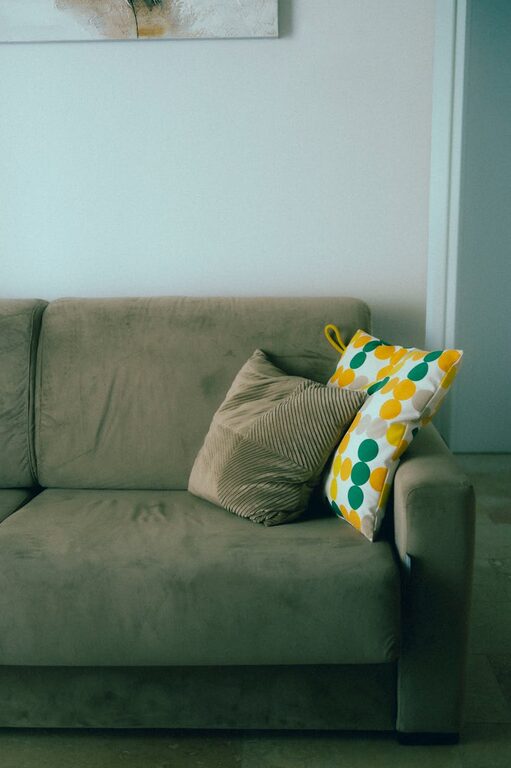
Even in a small space, designate a corner for short breaks. This could be a comfortable chair or a cushion where you can relax and reset between tasks. Taking regular breaks improves focus and reduces fatigue, so having an inviting spot for this purpose supports your productivity.
Your home office should make it easier to separate work from leisure. Establish a daily routine that includes starting and finishing work at set times. At the end of the day, tidy your desk and switch off devices to mentally close your workspace. This routine helps maintain a healthy work-life balance.
Incorporate items that promote relaxation, such as a small diffuser with essential oils like lavender or peppermint. Soft background music or white noise can also help improve concentration and reduce stress. These calming elements make the home office a pleasant place to spend time.
—
Designing a home office that’s both relaxing and productive is about finding the right balance. Prioritise comfort, organisation, and personal touches to create a workspace that fosters focus and wellbeing. With these tips, you can transform your home environment into a place where work feels less like a chore and more like a creative and fulfilling activity.